
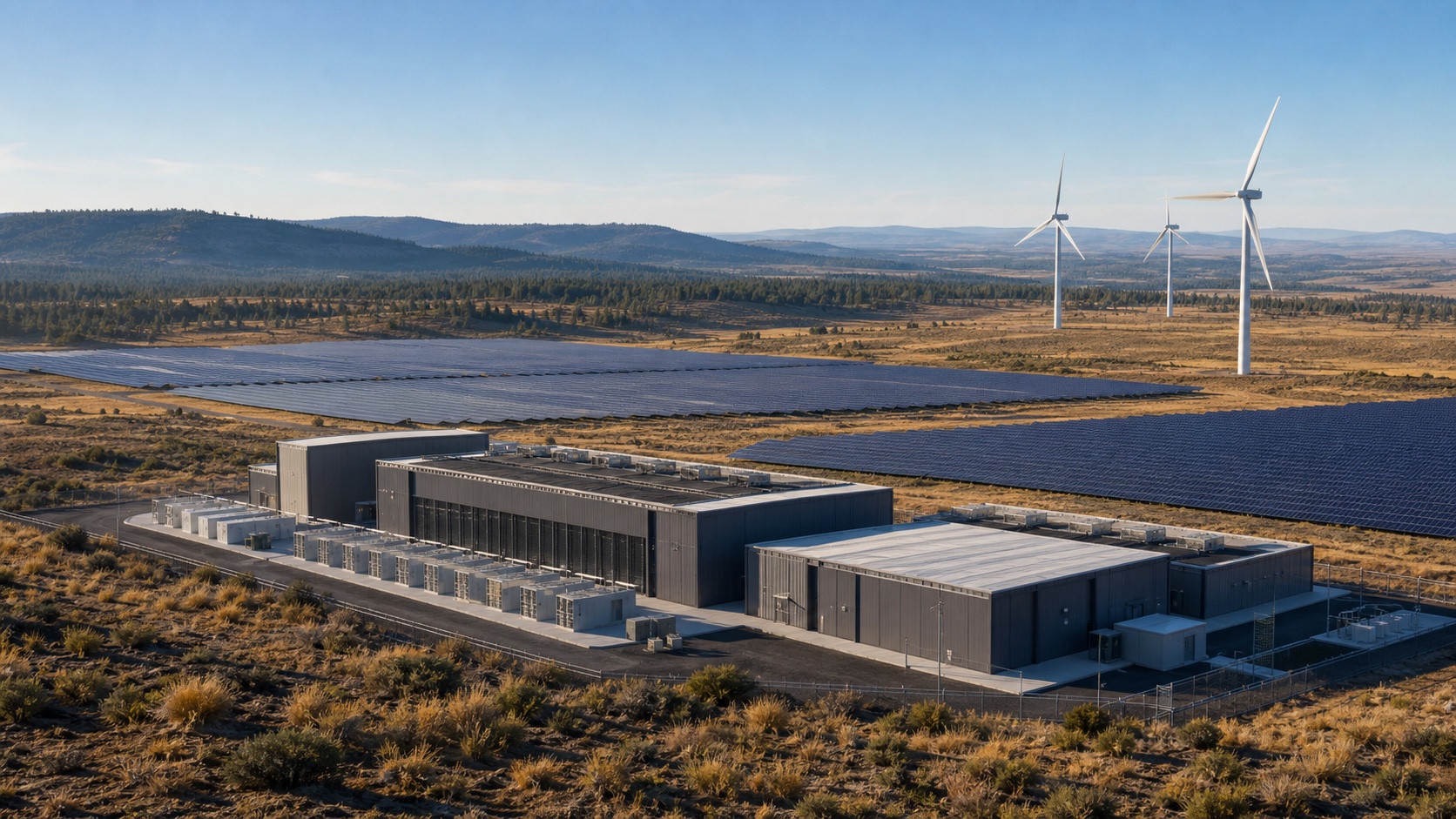
Cloud services may feel weightless, but every workload runs on physical machines that need electricity, cooling, and resilient backup power. We believe those operational choices should be treated as part of the product, not hidden behind it. That is why Monal Cloud is designed around three clear commitments: carbon-neutral electricity, non-gasoline backup systems, and no water used for cooling.
Cleaner electricity from the start
Our infrastructure operates on a cleaner grid and 100% carbon-neutral electricity. Reducing the carbon impact of the power feeding servers is one of the most direct ways to reduce the operational footprint of cloud computing. We pair that electricity strategy with efficient infrastructure planning, because the cleanest unit of energy is still the one a workload never needed to consume.
Resilience matters just as much as day-to-day efficiency. Cloud systems need backup power for interruptions and emergencies, but that backup does not need to rely on gasoline. Monal Cloud uses non-gasoline backup systems so that our continuity plan supports the same direction as our normal operations rather than becoming an exception to it.
Sustainability is an infrastructure decision: how power arrives, how heat leaves, and what happens when the grid is interrupted.
Why data-center water use matters
Many data centers use evaporative or water-assisted cooling to remove heat from server equipment. Those systems can be effective, especially in certain climates, but they may also consume substantial volumes of water. At a time when communities, agriculture, and ecosystems are all managing tighter water supplies, we do not think compute should quietly add another competing demand.
Water-assisted cooling
Common data-center designs can use evaporation or water loops to carry away server heat, linking digital activity to local water demand.
Monal Cloud cooling
Our infrastructure does not use water for cooling, keeping routine cloud operations from consuming a shared local water resource.
Monal Cloud takes a different path: our cooling approach does not consume water. Avoiding water-based cooling means the infrastructure does not draw on a municipal supply, groundwater, or another local water source simply to keep workloads online. It also makes our environmental commitment easier to understand—there is no hidden trade from lower energy use to higher water use.
Practical progress, clearly stated
We are deliberately specific about what these commitments cover. They describe how Monal Cloud infrastructure is powered, backed up, and cooled. They do not mean that manufacturing servers, constructing facilities, or operating the broader internet has no environmental footprint. Hardware and networks still carry embodied impacts, and honest sustainability work begins by acknowledging the full system rather than claiming that technology is impact-free.
Our goal is to keep improving the parts of that system we can control: choose cleaner electricity, avoid gasoline-based backup power, conserve water, and operate capacity thoughtfully. As our platform grows, these principles remain requirements for how we evaluate infrastructure—not optional extras added after deployment.